Air fresheners safety and ingredients: What You need to know?
Waldemar Stasiak
18 min read
Do you know what’s really in your air freshener? The ingredients you use to freshen your space can have a significant impact on your health, well-being, and the environment.
Have you considered how these everyday products affect your indoor air quality or the planet? While air fresheners are designed to create a pleasant atmosphere, their ingredients can sometimes pose risks that go unnoticed. Understanding what goes into these products is key to making safer and more sustainable choices for yourself and your space.
This article has been carefully prepared by ELiX experts, who are deeply committed to building a brand known for quality, sustainability, and innovation. We believe every product should go beyond its basic function – it should actively contribute to healthier living and environmental protection. With years of experience in crafting eco-friendly air fresheners, we’re here to share valuable insights about safety and ingredients that will help you make informed decisions.
It’s particularly important to understand the regulatory landscape that governs these products. In the European Union, air fresheners are subject to stringent regulations under the REACH (Registration, Evaluation, Authorization and Restriction of Chemicals) framework and the CLP (Classification, Labelling and Packaging) Regulation. These comprehensive chemical safety frameworks are designed to ensure that products entering the market don’t pose unacceptable risks to human health or the environment. [2] [3]. So let’s take a closer look at this important issue.
Types of air freshener products
Air fresheners come in many forms, each with unique features and delivery methods. The most common types include:
Sprays – provide instant action by releasing a fine mist of fragrance to quickly neutralize odors.
Plug-ins – electric devices that gradually release fragrance from oil or gel cartridges.
Gels – solid or semi-solid products that slowly evaporate, releasing scent over time.
Reed diffusers – use reeds to draw fragrance from a liquid and disperse it into the air.
Scented candles – provide both fragrance and ambiance through burning.
Automatic dispensers – devices that release fragrance at set intervals.
Scented beads or solids – passive products that emit fragrance as they evaporate.
Nebulizers/atomizers – devices that convert liquid fragrance into a fine vapor.
The Consumer Product Safety Commission regulates air freshener products, but some ingredients may not be disclosed due to federal laws protecting fragrance composition. Many of these are classified as fragranced consumer products, which include not only air fresheners but also laundry detergents, cleaning products, and other fragranced products commonly found in households.
Impact of commercial air fresheners on health
The National Institute of Environmental Health Sciences has studied the health impacts of air fresheners and found that they can contribute to indoor air pollution and affect human health.
The National Institute of Environmental Health Sciences has studied the health impacts of air fresheners and found that they can contribute to indoor air pollution and affect human health.
Many air fresheners contain active ingredients that can cause health problems, and some products may emit multiple scented substances, increasing the risk of adverse health effects.
Moreover, the use of multiple scented products in the same environment can amplify exposure to potentially harmful chemicals (especially when these products emit – VOCs). Exposure to air freshener chemicals can occur through:
inhalation,
skin contact,
ingestion.
Some air fresheners may contain other substances, such as particulate matter, that can affect lung function and overall health. It essential to handle these products with care and follow the manufacturer’s instructions.
According to studies cited by the Environmental Protection Agency, indoor air pollution caused by VOCs can be up to five times worse than outdoor pollution [1]. This is particularly alarming given that most people spend approximately 90% of their time indoors.
Air fresheners safety and ingredients: What You need to know? 11
The risks associated with air fresheners have prompted significant regulatory action, especially in the EU where consumer protection is paramount. Recent studies have raised concerns about not just the immediate effects of these chemicals, but also their long-term health implications, particularly for vulnerable populations like children and pregnant women. The European Chemicals Agency (ECHA) has recognized these concerns and is actively working to enforce stricter controls on potentially harmful products.
Understanding air freshener safety is more than just knowing what’s in the bottle. It’s about making informed choices that protect human health, indoor air quality, and the planet. For every chemical product used in your home or business, it is advisable to request and review the material safety data sheet to better understand potential hazards and safe handling practices.
Air freshener ingredients
Let’s start by understanding what goes into your air fresheners. Air fresheners are more than just products to mask unpleasant odors. They’re a combination of various ingredients designed to create a fresh scent while addressing indoor air quality.
Most air fresheners contain fragrance ingredients that can be either synthetic or natural. Natural fragrances, such as essential oils, are derived from plants and provide an authentic aroma, while synthetic fragrances are chemically engineered for longevity.
Air fresheners safety and ingredients: What You need to know? 12
Under the EU REACH regulation, manufacturers and importers of air fresheners must register chemical substances used in their products when produced or imported in quantities of one tonne or more per year.
This registration requires detailed information about:
the properties of these substances,
their potential hazards,
guidance on safe use.
The scope and requirements depend on the volume of chemicals involved, with more extensive data required for higher production volumes.
Air fresheners safety and ingredients: What You need to know? 13
The evolution of air fresheners has brought us diverse formats, including aerosols, liquids, gels, and solid air fresheners. For example:
Aerosols – These products use compressed gas propellants to disperse a fine mist into the air.
Solid air fresheners – Often embedded in wax or gel beads, these slowly evaporate to release fragrance over time.
Liquid air fresheners – Plug-ins and reed diffusers rely on solvents like isopropyl alcohol to carry fragrances into the air.
While these innovations improve convenience, they also raise concerns about the chemicals emitted into indoor environments. The result? A buildup of toxins that not only affects your indoor air quality but also poses risks to your health and well-being.
Each of these formats is subject to specific regulatory requirements. For instance, aerosol products are governed not only by REACH but also by the Aerosol Dispensers Directive (ADD) which sets out safety requirements for containers under pressure. Similarly, products with specific claims may fall under additional regulations, such as the Biocidal Products Regulation if they claim to have antibacterial properties [3] [4].
Conventional air fresheners are carefully formulated with a variety of components to create a fresh scent, but they often come with hidden risks that can impact indoor air quality and human health. Let’s take a closer look at what goes into these everyday items and how they might affect your environment.
Air fresheners safety and ingredients: What You need to know? 14
Fragrance compounds – Fragrances are the core of air fresheners, providing the desired scent. These can be either natural (derived from essential oils like lavender, citrus, or eucalyptus) or synthetic (lab-created for longevity and cost-effectiveness). While natural fragrances are often safer, synthetic ones can release harmful chemicals into the air, contributing to indoor air pollution.
Solvents – Solvents like alcohol and water dissolve fragrance ingredients and help distribute them evenly in the air. Examples include isopropyl alcohol (frequently used in liquid air fresheners to carry fragrances into the air but can contribute to respiratory irritation) and glycols (enhance fragrance longevity but may also increase indoor air pollution levels).
Preservatives – Preservatives extend the shelf life of conventional air fresheners by preventing microbial growth. Common examples include parabens and benzyl alcohol, which may pose risks to sensitive individuals or contribute to skin irritation.
Propellants – Aerosol sprays rely on compressed gases like propane or butane to disperse a fine mist into the air. While effective at spreading fragrance, these propellants can contribute to indoor pollution and increase exposure to VOCs (volatile organic compounds) that may harm human health.
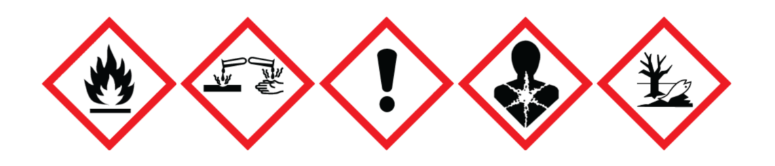
Under the EU’s CLP Regulation, products containing these substances must be properly classified, labeled, and packaged to communicate hazards effectively to users. This includes hazard pictograms, signal words, hazard statements, and precautionary statements.
Air fresheners safety and ingredients: What You need to know? 15
For example, a product containing skin sensitizers must display the appropriate warning pictogram and include statements like “May cause an allergic skin reaction” along with precautionary advice such as “Wear protective gloves.”
Why it matters?
Conventional air fresheners emit a cocktail of chemicals that can linger in your indoor environment, potentially impacting your well-being over time. By understanding what’s inside these products, you can make more informed choices about the solutions you use to improve your space.
Toxic chemicals in conventional air fresheners
It’s shocking, and truly concerning, how many toxic chemicals are hidden in conventional air fresheners. Studies reveal that these products emit volatile organic compounds (VOCs), such as formaldehyde and acetaldehyde, which can react with ozone to create secondary pollutants like ultrafine particles.
VOCs are strictly regulated in the EU and other regions due to their contribution to air pollution and potential health risks. The EU has established the VOC Solvents Emissions Directive and the Paints Directive to limit VOC emissions from various products. While air fresheners specifically are regulated through REACH and product-specific directives, the trend is moving toward stricter VOC limits across all consumer products.
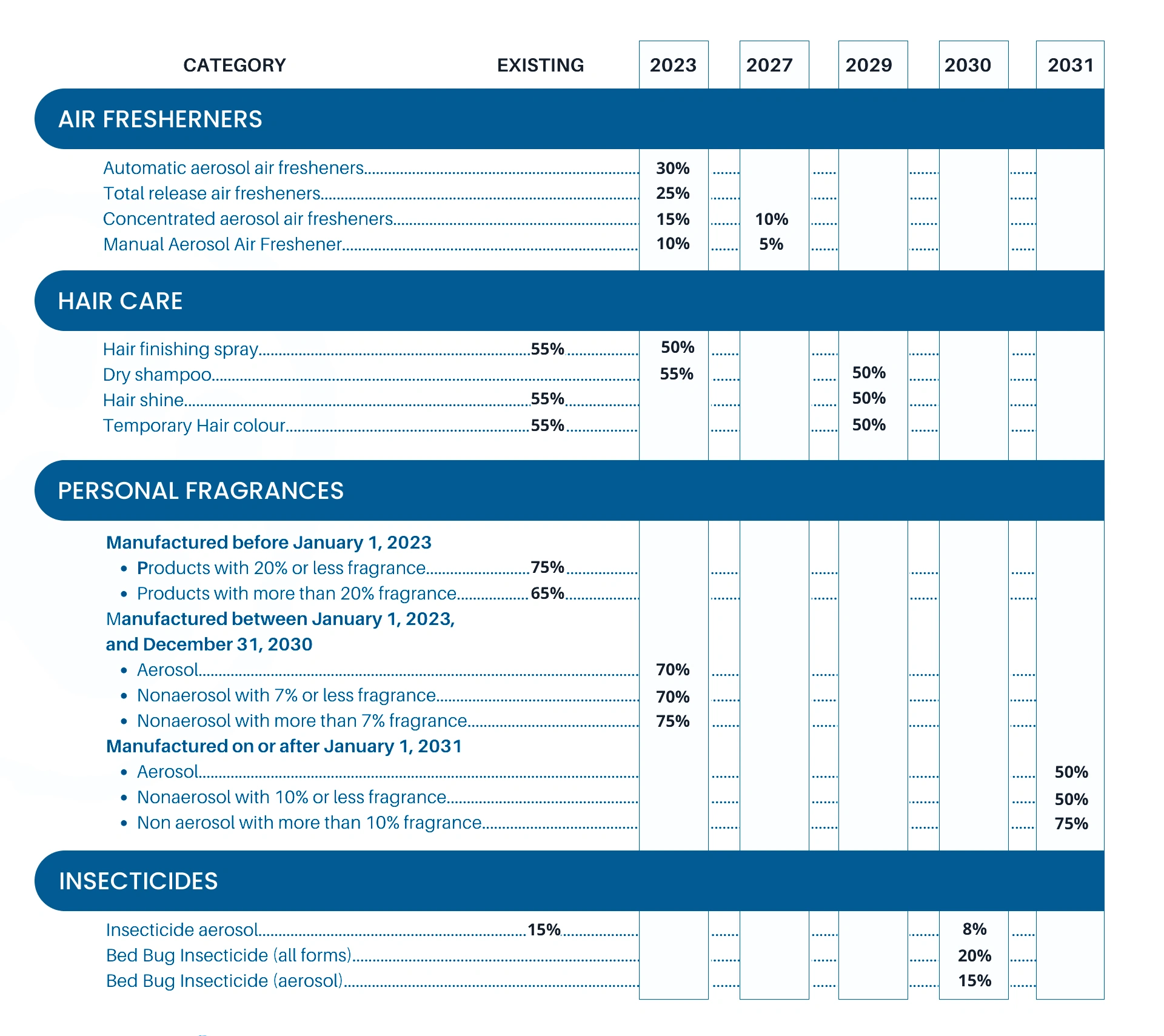
California has been particularly proactive in this area, implementing some of the most stringent VOC limits worldwide. Recent amendments by the California Air Resources Board (CARB) have further tightened VOC limits for several consumer product categories, including manual aerosol air fresheners and personal fragrances. These new limits will be phased in between 2023 and 2031, forcing manufacturers to reformulate their products to comply with increasingly strict standards.
Air fresheners safety and ingredients: What You need to know? 16
These pollutants don’t just linger in the air. They actively degrade indoor air quality, leading to a range of health problems.
Health risks associated with air fresheners
The health risks associated with air fresheners are not just limited to respiratory problems. Exposure to certain chemicals can affect your skin, eyes, and even your central nervous system.
Respiratory issues – VOCs can irritate the respiratory tract, trigger asthma attacks, and exacerbate conditions like bronchitis.
Neurological symptoms – Prolonged exposure has been linked to headaches, dizziness, and even cognitive impairment. Some studies have shown that exposure to VOCs emitted by fragranced consumer products can contribute to neurological problems, especially in sensitive individuals.
Long-term health risks – Some VOCs are classified as carcinogens, meaning they may increase the risk of cancer with continuous exposure.
Sensory irritation – Many individuals report eye, nose, and throat irritation after using conventional air fresheners.
Hormonal disruption – Certain chemicals in synthetic fragrances have been shown to interfere with the endocrine system, potentially leading to hormonal imbalances.
Impact on vulnerable groups – Children, pregnant women, and individuals with pre-existing conditions like asthma are especially at risk from exposure to these chemicals.
In response to these concerns, the European Chemicals Agency (ECHA) has announced a significant EU-wide inspection project. The REF-14 project, scheduled for 2026 following preparation in 2025, will focus specifically on checking that hazardous mixtures in products like air fresheners and electronic cigarettes are correctly classified, labeled, and packaged to protect consumers, especially children, from chemical hazards. [3]
The inspections will verify that suppliers of these products fulfill their duties under the CLP regulation, including proper classification and labeling, appropriate packaging with child-resistant fastening where required, and accurate notifications to poison centers.
This initiative demonstrates the EU’s commitment to enforcing chemical safety regulations to protect public health.
Air freshener safety concerns
Safety concerns often arise from accidental exposure or misuse of air freshener products. Aerosol sprays release a fine mist, which can linger in the air for hours, increasing the risk of inhalation. Ingredients like formaldehyde or benzene may pose risks if sprayed near food preparation areas or inhaled by pets.
It’s crucial for manufacturers to clearly label their products so consumers know what they’re being exposed to. [5]
Beyond regulatory compliance, the air freshener industry has also established voluntary standards through initiatives like A.I.S.E.’s Product Stewardship Programme (PSP) on Indoor Air Emissions from Air Fresheners. This program, implemented by major European manufacturers since 2007, demonstrates commitment to responsible marketing of air care products. It combines best practices in advertising, labeling, safety assessment, and consumer education, going beyond regulatory requirements.
Air fresheners safety and ingredients: What You need to know? 17
The PSP covers all non-combustible air fresheners (such as sprays, liquid wicks, gels, potpourris, electrical devices, and car fresheners) as well as perfumed and non-perfumed candles. Participating companies commit to responsible manufacturing practices, ensuring that exposure value limits provide a firm basis to meet consumer expectations. They must respect global limits on emissions of specific hazardous substances like formaldehyde, benzene, and naphthalene.
Safe alternatives to conventional air fresheners
This article cannot end with solely negative or cautionary information. Remember, there’s always an alternative, and most importantly, a better and safer solution for every situation!
Air fresheners safety and ingredients: What You need to know? 18
If you’re looking for safer options, here are some excellent alternatives to conventional air fresheners that are effective, natural, and eco-friendly:
Essential oil diffusers – Use natural oils like lavender, eucalyptus, or citrus to create a soothing atmosphere without harmful chemicals. These devices freshen the air and provide aromatherapy benefits, such as reducing stress or improving focus. Essential oil diffusers are safe for indoor environments and can be adjusted to suit your scent preferences.
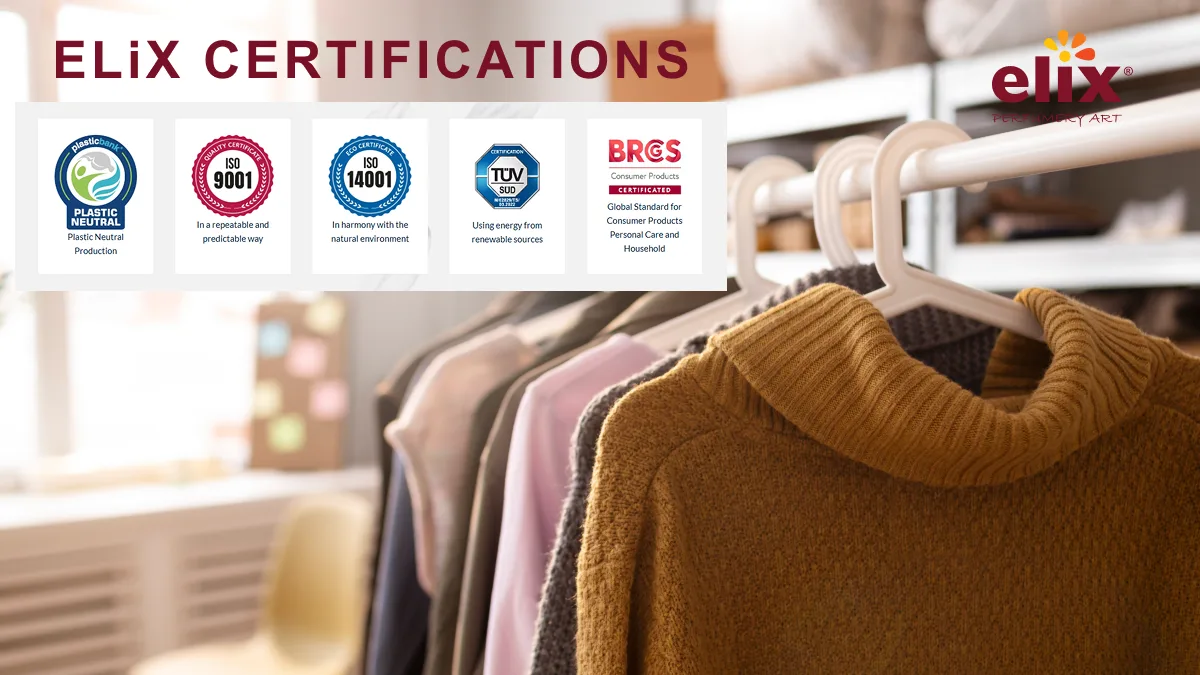
Natural air fresheners with certifications(ISO 9001, ISO 14001, TUV SUD) – Choose air fresheners that meet global safety and quality standards, such as those certified by ISO and TUV SUD. Certified products guarantee transparency in production processes and compliance with strict environmental guidelines, making them a reliable choice for businesses and homes alike.
Activated charcoal – Activated charcoal is a natural odor absorber that works wonders in spaces like closets, bathrooms, or cars. Unlike conventional air fresheners, it doesn’t mask odors but eliminates them by trapping pollutants and moisture.
Citrus fruits – Homemade sprays made from orange or lemon peels are an effective way to freshen the air naturally. Citrus have antibacterial properties that help clean the air. Simply combine citrus peels with water in a spray bottle for an easy DIY air freshener free of synthetic chemicals.
Baking soda – Known for its odor-neutralizing properties, baking soda is ideal for absorbing unpleasant smells in refrigerators, carpets, or pet areas. Sprinkle it on carpets before vacuuming or place it in an open container in enclosed spaces to keep the air fresh. It’s non-toxic, affordable, and safe for homes with children or pets.
Why choose ELiX for safer air freshener solutions?
Our air fresheners are crafted with care using natural ingredients like essential oils and plant extracts, ensuring they are safe for humans, pets, and the environment.
Unlike conventional options that rely on synthetic chemicals, our products provide a safer way to enjoy a fresh scent without compromising on quality or effectiveness.
As a manufacturer operating within the EU, ELiX takes REACH compliance very seriously. We ensure that all substances used in our products are properly registered, and we maintain comprehensive documentation of their safety profiles.
Our formulations are designed to minimize VOC content while maximizing effectiveness, helping our customers stay ahead of increasingly strict regulatory requirements.
ELiX certifications – what sets us apart
We are proud to be the only manufacturer in the air freshener industry with certifications that highlight our commitment to safety, quality, and sustainability.
Air fresheners safety and ingredients: What You need to know? 19
Plastic Neutral Certification – For every product sold, three plastic bottles are collected and recycled, contributing to a cleaner planet.
ISO 9001 – Guarantees consistent quality in production processes, ensuring repeatable and predictable results.
ISO 14001 – Reflects our dedication to working in harmony with the natural environment through sustainable practices.
TÜV SUD Certification – Demonstrates energy-efficient production using renewable resources, supporting eco-friendly manufacturing.
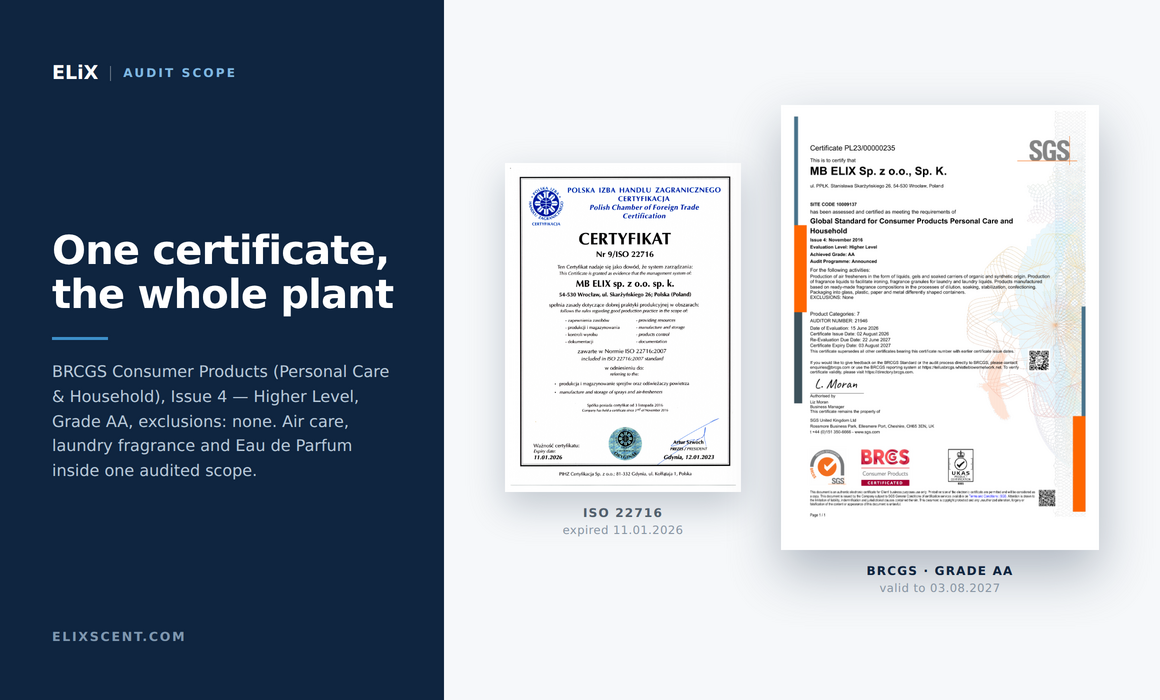
BRCGS Global Standard for Consumer Products – Ensures compliance with the highest safety and quality standards for personal care and household items.
Our facility in Wroclaw, Poland, operates in full compliance with EU regulations, including REACH and CLP. As a family-owned business with over 25 years of manufacturing expertise, we go beyond mere compliance to set industry standards for safety and sustainability. Our comprehensive approach to regulatory compliance gives our partners peace of mind, knowing that the products they distribute meet or exceed all applicable legal requirements.
These certifications set ELiX apart as a leader in the air freshener industry, offering products that prioritize both excellence and environmental responsibility.
Air fresheners safety tips for Your business
If you’re using air fresheners in public spaces like hotels, offices, or retail stores, remember that safety should always come first. To help you maintain a safe and pleasant environment, here are some valuable tips:
Install plug-in devices high enough so children and pets cannot reach them. This reduces accidental exposure and ingestion risks.
Opt for solid air fresheners or reed diffusers that don’t rely on aerosol sprays or flammable liquids, minimizing fire hazards.
Avoid overusing air fresheners in enclosed spaces to prevent the buildup of harmful chemicals in the air and maintain good indoor air quality.
Ensure proper ventilation in areas where air fresheners are used to allow fresh air to circulate and reduce the concentration of volatile organic compounds (VOCs).
Regularly check and maintain devices like plug-ins or automatic sprayers to ensure they are functioning correctly and safely.
For businesses operating in the EU, it’s essential to ensure that all air fresheners used in your facilities comply with REACH and CLP regulations. This means selecting products that have been properly registered, classified, and labeled according to EU requirements. In particular, pay attention to hazard pictograms and safety instructions on product labels, and maintain safety data sheets for all chemical products used in your establishment.
Be aware of the upcoming regulatory inspections under the REF-14 project, which will focus specifically on air fresheners and similar products. Businesses should prepare by reviewing their product inventory and ensuring all items are compliant with current regulations to avoid potential penalties and disruptions.
By following these safety measures, businesses can ensure a safer environment for employees and customers while still maintaining a welcoming atmosphere with a fresh scent.
Choosing safe air fresheners from ELiX
When it comes to choosing safe air fresheners – the choice is clear . At ELiX, you’ll find everything you need for both homes and businesses. We offer solutions tailored to meet your specific needs:
Products crafted with natural ingredients, such as essential oils and plant extracts, ensuring safety for your customers and employees.
Sustainably designed packaging, made with recyclable materials to support eco-friendly practices.
Private label partnerships, allowing businesses to offer high-quality products under their own brand, enhancing their reputation and customer loyalty.
Our products are formulated with regulatory compliance in mind, helping your business stay ahead of increasingly strict VOC limits and chemical safety regulations. By choosing ELiX, you’re not only selecting a high-quality air freshener but also protecting yourself from regulatory risks associated with non-compliant products. This is particularly important in light of the EU’s enhanced enforcement actions through initiatives like the REF-14 project [6].
Explore our complete range of products on AirFresh24 and discover how we can help you create a safer, fresher, and more sustainable environment for you and your business.
Your role in navigating air freshener safety
As you’ve learned, the world of air fresheners is changing rapidly. The EU is leading the charge with strict standards like REACH and CLP, and enforcement is ramping up through projects like REF-14. What does this mean for you? It’s time to become more aware of what’s in the products you use or offer your clients every day.
Have you noticed the growing focus on VOC emissions? From California to the EU, limits are getting tighter. This shift isn’t just about regulations – it’s about protecting your health and the health of those around you.
So, what can you do? Start by educating yourself. Take a closer look at the ingredients in your air fresheners. Ask yourself: Do I know what these chemicals are? Are they safe for my family and pets? Or perhaps you give small air fresheners to your clients as a free gift with their purchases? Remember, knowledge is power when it comes to making healthier choices.
At ELiX, we’re committed to staying ahead of these changes. We offer products that not only meet current standards but are designed with future regulations in mind. By choosing ELiX, you’re not just selecting an air freshener – you’re making a statement about the kind of world you want to live in.
Conclusion and recommendations for scented products
The EPA and other regulatory agencies recommend reducing exposure to VOCs and other hazardous air pollutants to minimize health risks. By working together, we can reduce the risks associated with air fresheners and improve environmental health perspectives.
Let’s making our homes and communities healthier and safer.
[4] Access to European Union law“Council Directive 75/324/EEC of 20 May 1975 on the approximation of the laws of the Member States relating to aerosol dispensers”Directive – 75/324 – EN – EUR-Lex
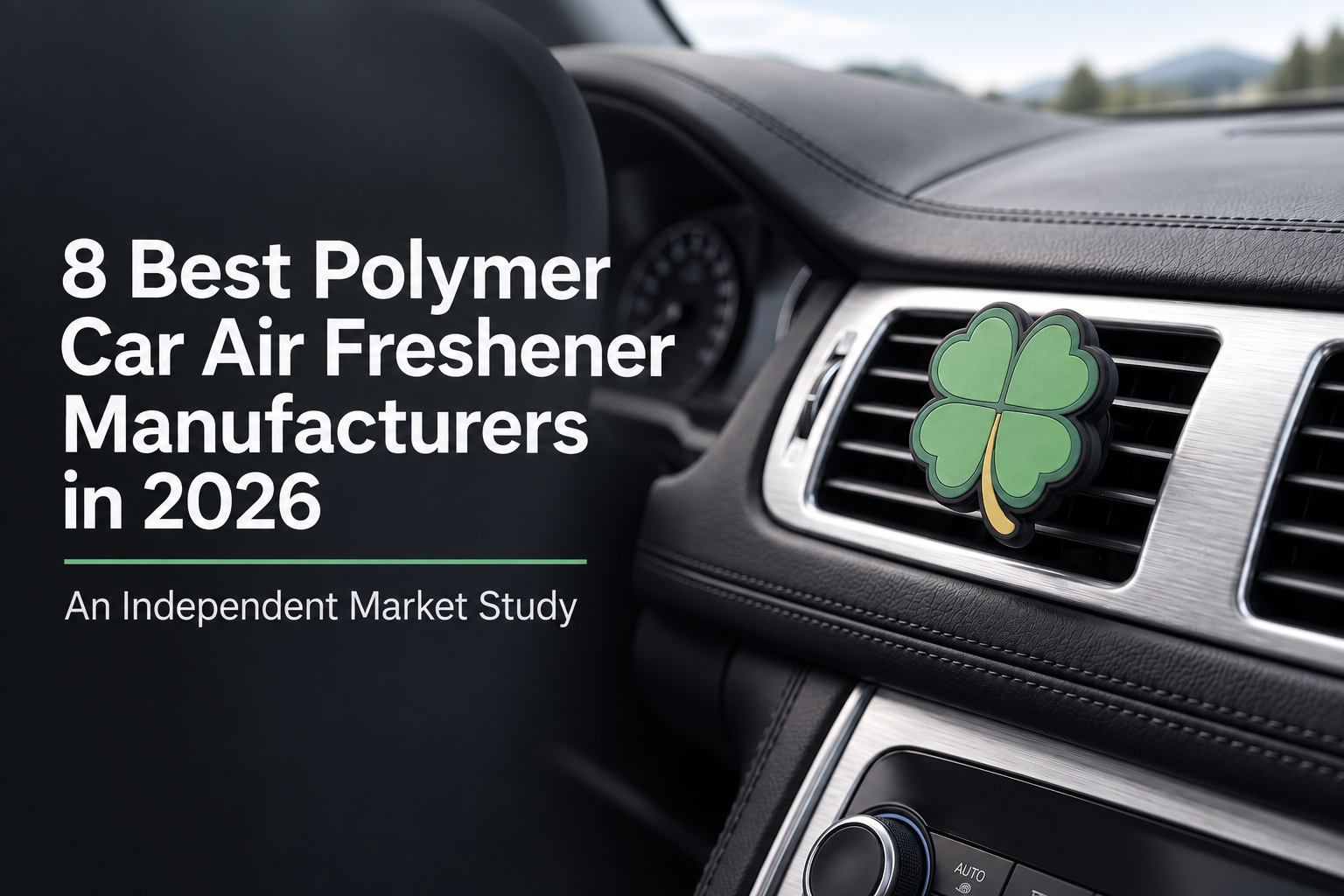
Market Research · B2B Buyer’s Guide 8 Best Polymer Car Air Freshener Manufacturers in 2026: Market Study Polymer is the fastest-maturing format in car air care and the least documented. We examined every polymer car air freshener manufacturer in Europe and the United States with a verifiable product, compared private label terms and certifications, and […]
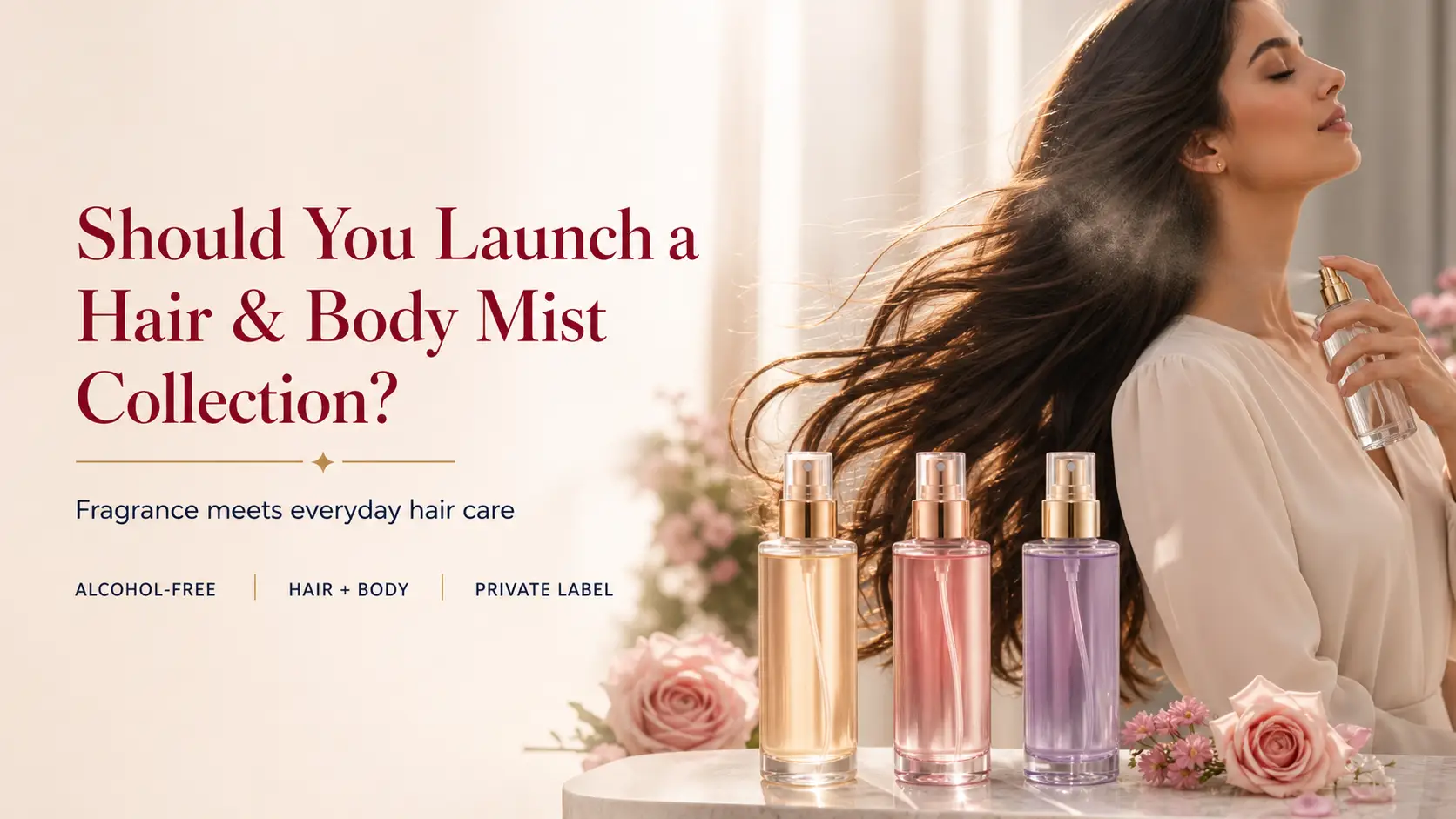
ELiX · Knowledge European fragrance manufacturer since 1999 · Wrocław, Poland Hair & Body Mist · Private label Should You Launch a Hair & Body Mist Collection? For retail chains, the strongest opportunity is not another basic body spray. It is an accessible-prestige fragrance wardrobe for hair and body: several scents, an alcohol-free water-based formula, […]
ELiX · Knowledge European fragrance manufacturer since 1999 · Wrocław, Poland Certification · Audit scope BRCGS Consumer Products (Personal Care & Household) vs ISO 22716: Why We Replaced One Certificate With the Other On 11 January 2026 our ISO 22716 certificate expired and we did not renew it. The reason is one structural difference that […]
Choose your path: ELiX Brand distribution
or custom formulation?
Become a Distributor
Bring ELiX® to your market with a proven portfolio across home, car, laundry and personal fragrance. Get distributor pricing, marketing support and reliable European supply — with a range that’s easy to list, easy to sell and designed for repeat purchase.
Build your own fragrance range with ELiX as your European Private Label/OEM partner supported by our laboratory and R&D team from brief to validated formula. This route is more demanding: longer lead times, higher minimums and a bigger upfront investment, but it gives you full control over positioning, performance and margin.
Beyond contract manufacturing, we successfully develop our own portfolio of brands, which are recognized by consumers globally. For B2B clients, this guarantees we can produce every format under your Private Label.
ELiX
Car and Home air fresheners
Amarella
A laundry programme built for repeat purchase — washing gel, fabric conditioner and fragrance boosters with fine fragrance inspiration.
HIKARI
Fine Fragrance line, inspired by luxury perfumery.